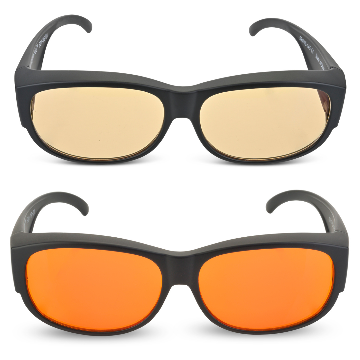
Blue light after dark squashes melatonin production
Blue light exposure at night has been proven time and time again to be disastrous to your body’s internal clockwork. Your brain tracks the time of day with special receptors in the eye that sense lighting conditions. These receptors are extremely sensitive to blue light.
This is a problem because LED lighting and electronic screens blast blue-rich light directly into your eyes! These daytime signals after dark can scramble your natural circadian rhythm.
Not Good…
Block it!
This is the easiest "Life Hack" ever!
Simply put them on 1-2 hours before bedtime . It is so simple yet so life changing for many!
These will become an important part of your evening routine. You will be surprised how fast you get used to the color shift. Sometimes I even forget that I have mine on!
Award winning glasses

Frequently Asked Questions
-
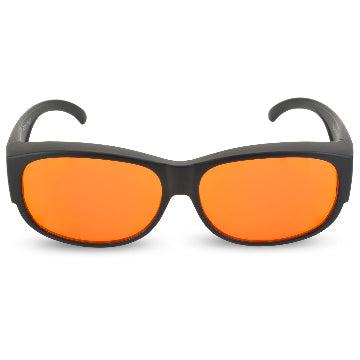
Most blue blockers are only designed to protect your eyes from short wavelength blue light. It is the longer wavelength blue light (and cyan) that wreaks havoc with natural melatonin production. An orange lens is absolutely necessary to block these wavelengths.
-
NO - You wear them 1-2 hours before bed time. Go ahead and climb into bed with them on but please leave them on the nightstand before falling asleep. We recommend sleeping with an eye mask.
-
NO - It's true for eye health only. False for sleep! Your optometrist is an expert in eye healthcare. However, most optometrists know nothing about circadian biology. It is a completely separate field of medicine.
-
YES - We have happy customers sleeping soundly all around the world.
-
YES - You can return them within 90 days. Please note that after 30 days shipping charges will apply.
-
Night Lenes: "NO" - The FDA does not allow these glasses to be used while driving. You may have trouble distinguishing signs and signals. For example, you wont see blue police lights. Please drive safely!
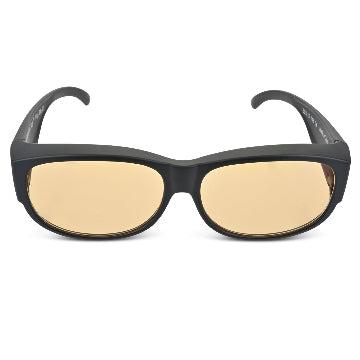
Day Lenses: "YES" - The daytime lenses can be worn while driving during the day or at night